
Language


More Language
One-stop comprehensive solution provider
In highway safety infrastructure, the transition from standard W-beam guardrail to thrie-beam guardrail represents a critical connection point that ensures continuous vehicle containment and redirection. The highway guardrail transition beam W-beam to thrie beam is a specialized structural element designed to bridge the geometric and stiffness differences between these two distinct guardrail systems.
Standard W-beam guardrail is the most commonly used roadside safety barrier along highway segments. However, in transition regions—particularly near bridge ends and concrete barriers—a stiffened thrie-beam guardrail is required to provide enhanced protection. The W-beam-to-thrie-beam transition element serves as the connecting link between these two rail sections, providing structural continuity and maintaining the integrity of the barrier system.
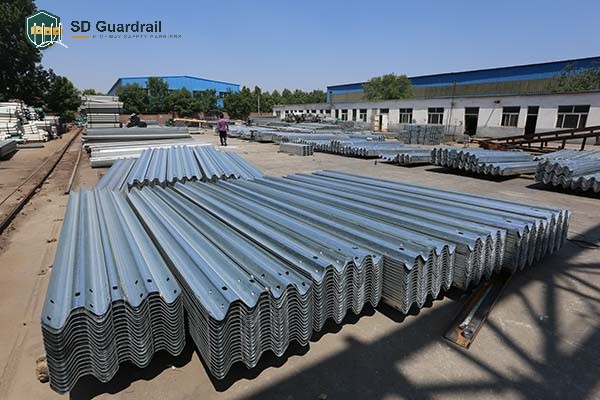
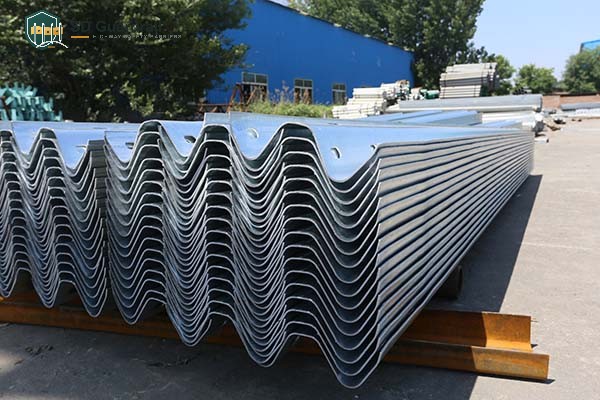
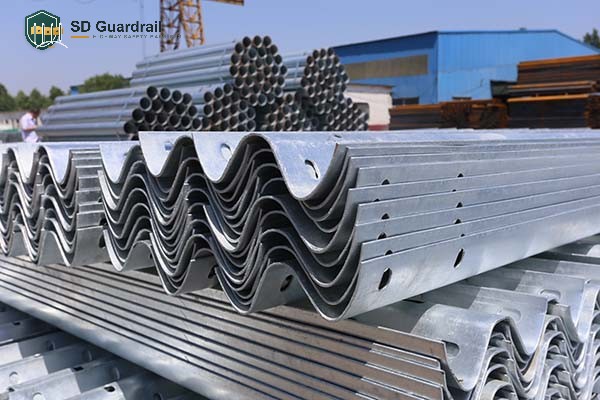
The transition section is typically an asymmetrical W-Thrie beam section that gradually changes from the W-beam profile to the thrie-beam profile. Common configurations include a 6.25-foot long, asymmetric, 10-gauge W-to-thrie beam transition segment, followed by thrie beam sections that may be nested for additional stiffness.
Highway guardrail transition beams must comply with rigorous industry standards to ensure crashworthiness and safety performance:
AASHTO M180: The asymmetrical W-Thrie beam transition section shall conform to AASHTO M180 Class A
Corrosion Protection: Available as Type II (zinc-coated galvanized) or Type IV (corrosion-resistant steel per ASTM A606)
Testing Criteria: Devices must meet AASHTO Manual for Assessing Safety Hardware (MASH) Test Level 3 (TL-3) requirements
FHWA Eligibility: Approved transition systems are eligible for reimbursement under the Federal-aid highway program
The transition element accommodates the dimensional differences between W-beam (approximately 20 inches finished width) and thrie-beam profiles, ensuring a smooth connection without gaps or abrupt changes.
By gradually increasing the section stiffness from the flexible W-beam to the stiffer thrie-beam, the transition element prevents stress concentrations and ensures predictable vehicle impact performance.
Many transition designs incorporate nested thrie-beam sections—two thrie beams stacked together—to achieve the required stiffness for bridge rail connections.
Transition zones often feature reduced post spacing (as close as 18¾ inches) compared to standard W-beam installations (typically 37½ inches), providing additional support where stiffness demands are highest.
The W-beam to thrie-beam transition beam is essential in several highway safety applications:
Bridge approach guardrail transitions – Connecting flexible guardrail to rigid bridge railings or concrete parapets
Guardrail-to-guardrail transitions – Linking standard W-beam systems to thrie-beam systems where enhanced protection is needed
Retrofit applications – Upgrading existing guardrail installations to meet current safety standards
Concrete barrier connections – Providing a compliant connection between semi-rigid guardrail systems and rigid concrete structures
The W-beam-to-thrie-beam transition has been extensively crash-tested to validate its safety performance. The Midwest Guardrail System (MGS) W-Beam to Thrie-Beam Transition has successfully passed NCHRP Report 350 and MASH testing at Test Level 3 (TL-3). Full-scale crash tests, including 2000-kg pickup truck impacts at 100 km/h and 25-degree angles, have demonstrated the transition's ability to safely contain and redirect errant vehicles.
The transition system has received FHWA eligibility letters, confirming its compliance with federal safety standards for use on the National Highway System.
The highway guardrail transition beam from W-beam to thrie-beam is an indispensable component of modern roadside safety infrastructure. By providing a structurally sound connection between different guardrail systems, these transitions ensure continuous vehicle containment, reduce the risk of barrier penetration, and enhance overall highway safety. When specified, designed, and installed in accordance with AASHTO M180 and FHWA-approved standards, W-beam to thrie-beam transitions deliver reliable, crash-tested performance that protects motorists in the most demanding roadside environments.
For product inquiries or technical support, please feel free to contact us:
Website: www.sdguardrail.com
WhatsApp: +86 13906350752
We are ready to assist with your highway guardrail transition beam needs—from standard specifications to custom solutions. Reach out today for a quick quote or expert guidance.
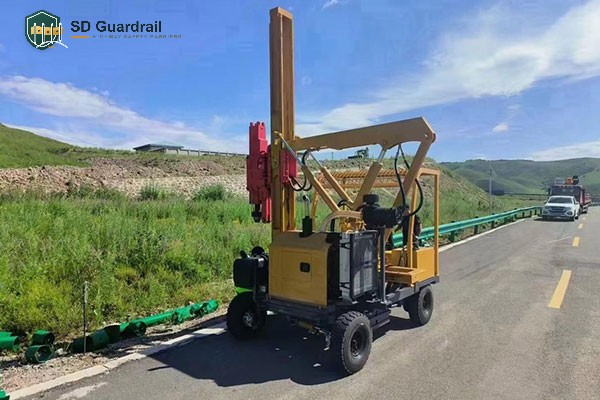
A short, practical guide on how to install W Beam Guardrail, from site setting-out and post driving to rail alignment, bolts, terminals, and final inspection.
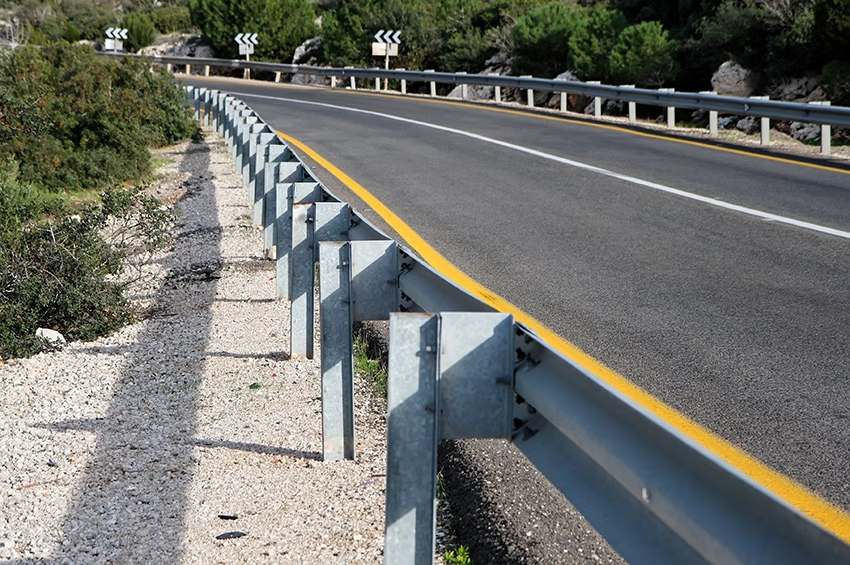
Malaysia's highway infrastructure is undergoing a significant transformation. With road safety becoming an increasingly urgent priority across the nation, t···
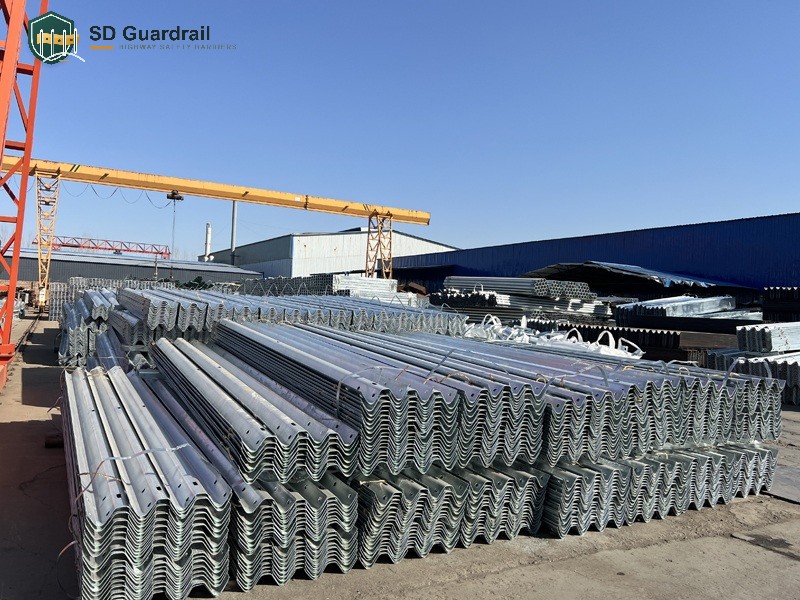
In highway safety infrastructure, the transition from standard W-beam guardrail to thrie-beam guardrail represents a critical connection point that ensures cont···